Japan is a country rich in history, culture, and architectural beauty. From ancient temples and shrines to majestic castles and sacred landscapes, the country offers countless opportunities to explore its past. For English speakers, these ten heritage sites are not only historically significant but also accessible, with English-friendly guides, signage, and resources to enhance your visit.
Kiyomizu-dera Temple (Kyoto)
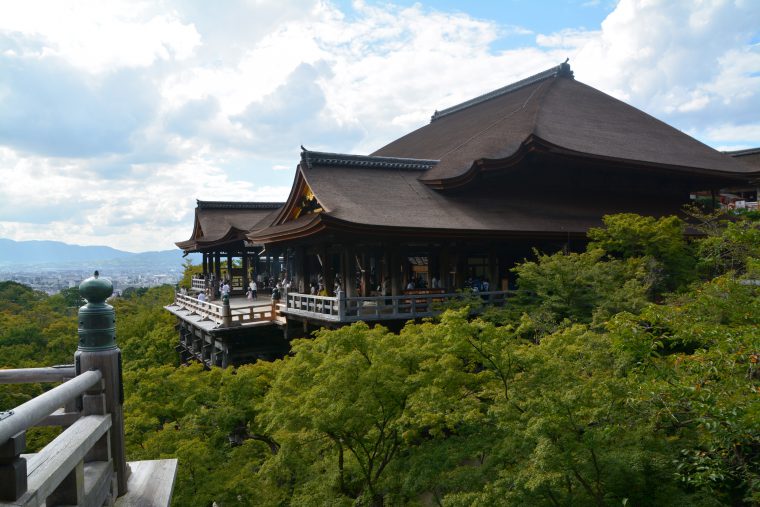
Perched on a hillside overlooking Kyoto, Kiyomizu-dera is one of Japan’s most iconic temples. Its wooden stage, built without nails, offers stunning views of cherry blossoms in spring and colorful foliage in autumn. As part of the UNESCO World Heritage Site “Historic Monuments of Ancient Kyoto,” it provides English audio guides and multilingual signage, making it easy for international visitors to appreciate its spiritual and architectural significance.
Himeji Castle (Hyōgo)
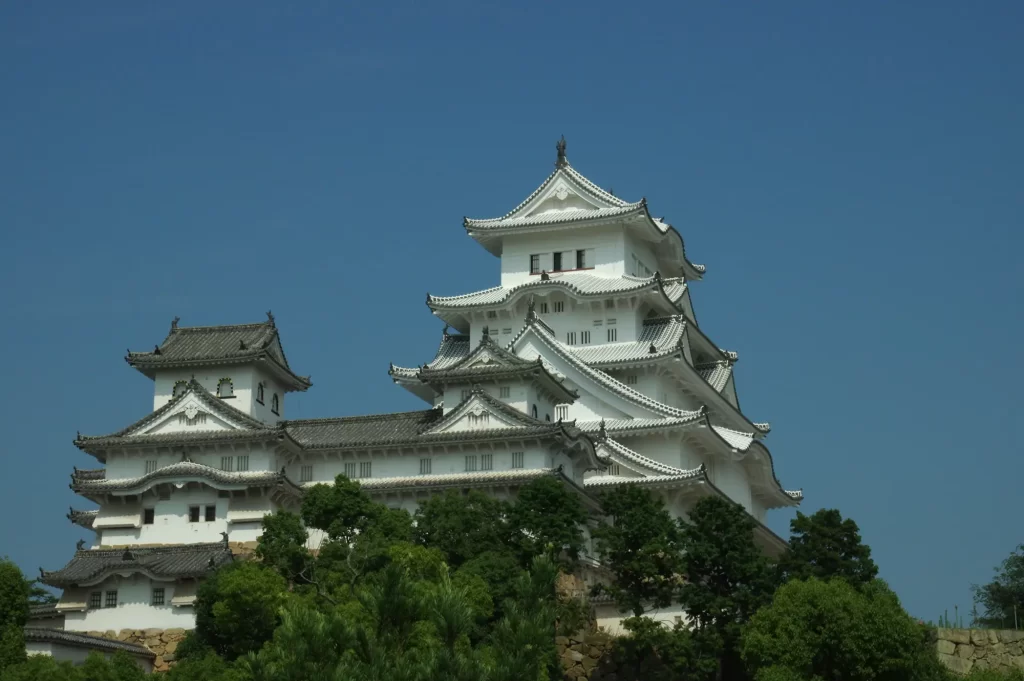
Known as the “White Heron Castle” for its elegant white exterior, Himeji Castle is Japan’s finest surviving example of feudal-era architecture. A UNESCO World Heritage Site, it has never been destroyed by war or natural disaster. Visitors can explore its maze-like defenses and climb to the top of the main keep. English brochures and volunteer guides are available to help you understand its strategic design and historical importance.
Itsukushima Shrine (Hiroshima)
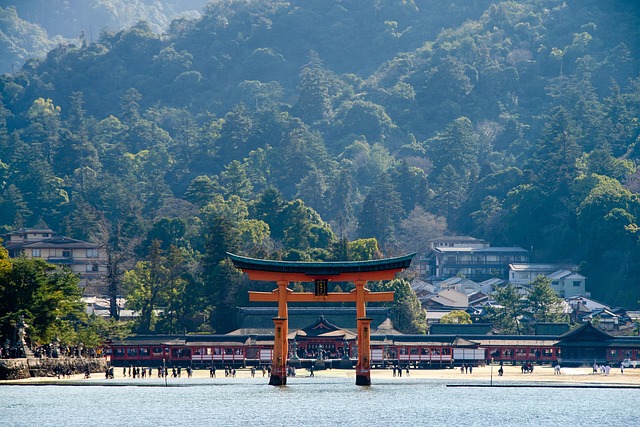
Located on Miyajima Island, Itsukushima Shrine is famous for its “floating” torii gate, which appears to rise from the sea during high tide. This UNESCO World Heritage Site blends Shinto architecture with natural beauty. The shrine complex is accessible by ferry from Hiroshima, and English-language materials are provided to explain its religious significance and unique construction.
Hōryū-ji Temple (Nara)
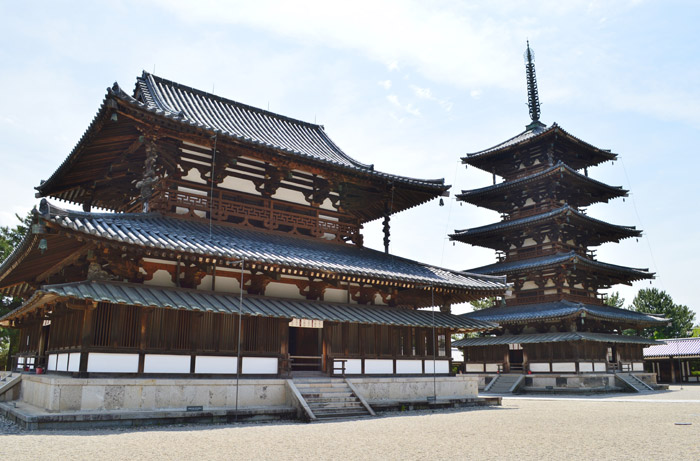
Hōryū-ji is home to the world’s oldest surviving wooden structures, dating back to the 7th century. As a UNESCO World Heritage Site, it represents the introduction of Buddhism to Japan and showcases early temple architecture. The temple grounds include a museum with English explanations and exhibits that detail the evolution of Japanese religious art and design.
Chūson-ji Temple & Mōtsū-ji (Hiraizumi, Iwate)
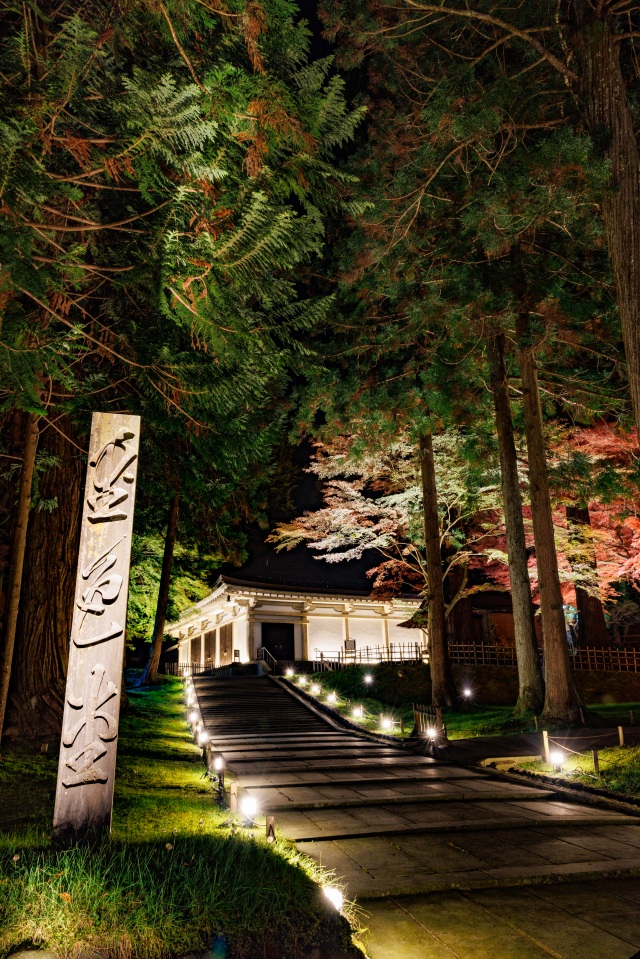
Located in the peaceful town of Hiraizumi, these temples embody the Pure Land Buddhist philosophy. Chūson-ji’s Konjikidō (Golden Hall) is a masterpiece of gold-covered artistry, while Mōtsū-ji features a beautifully preserved Heian-period garden. As part of the UNESCO World Heritage Site “Hiraizumi – Temples, Gardens and Archaeological Sites,” both locations offer English-language resources and a tranquil atmosphere.
Tōdai-ji Temple (Nara)

Tōdai-ji is home to the Great Buddha (Daibutsu), one of the largest bronze statues in the world. The temple’s massive wooden hall is awe-inspiring, and its location within Nara Park allows visitors to interact with friendly deer. English brochures and audio guides are available, making it easy to appreciate the temple’s religious and historical significance.
Osaka Castle (Osaka)
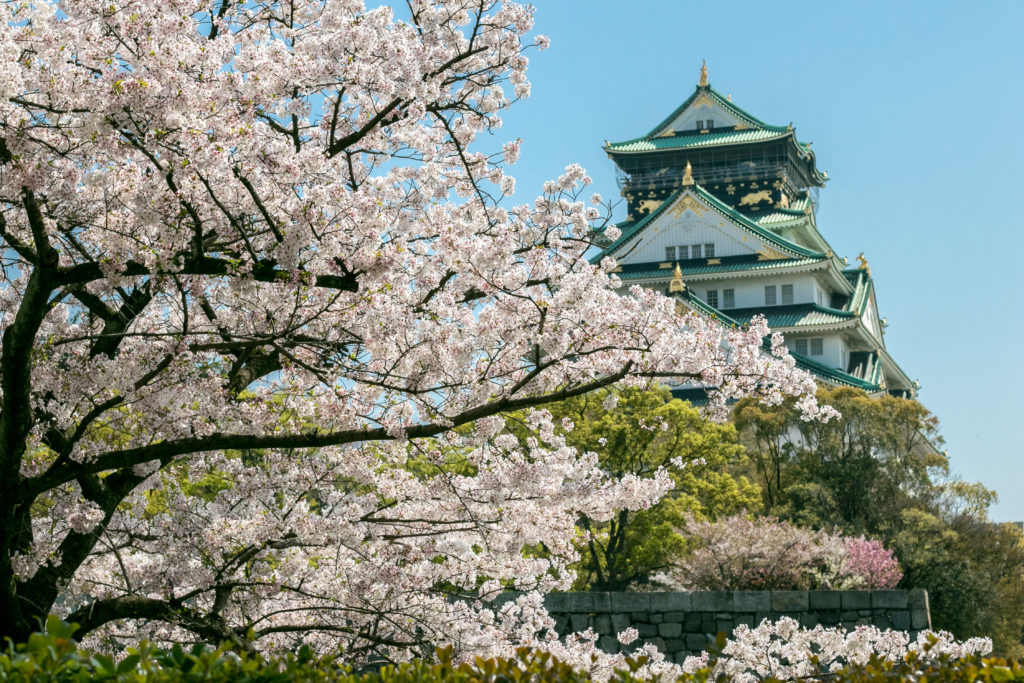
Although reconstructed, Osaka Castle remains a powerful symbol of Japan’s samurai era. Built by Toyotomi Hideyoshi in the 16th century, the castle now houses a museum with interactive exhibits and English explanations. The surrounding park is a popular spot for cherry blossom viewing and seasonal festivals.
Historic Monuments of Ancient Nara (Nara)
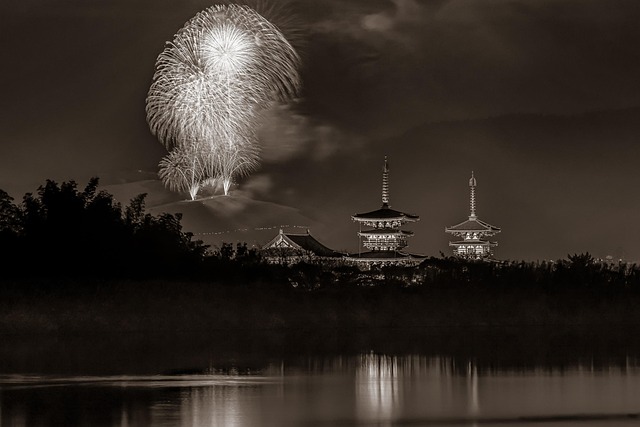
This UNESCO World Heritage Site includes several key locations: Kōfuku-ji Temple, Kasuga Taisha Shrine, and the Heijō Palace ruins. Together, they reflect Nara’s role as Japan’s first permanent capital and its importance in the development of Japanese Buddhism and Shintoism. English-friendly visitor centers and signage make it easy to explore these ancient treasures.
Nikkō Tōshō-gū & Futarasan Shrine (Tochigi)
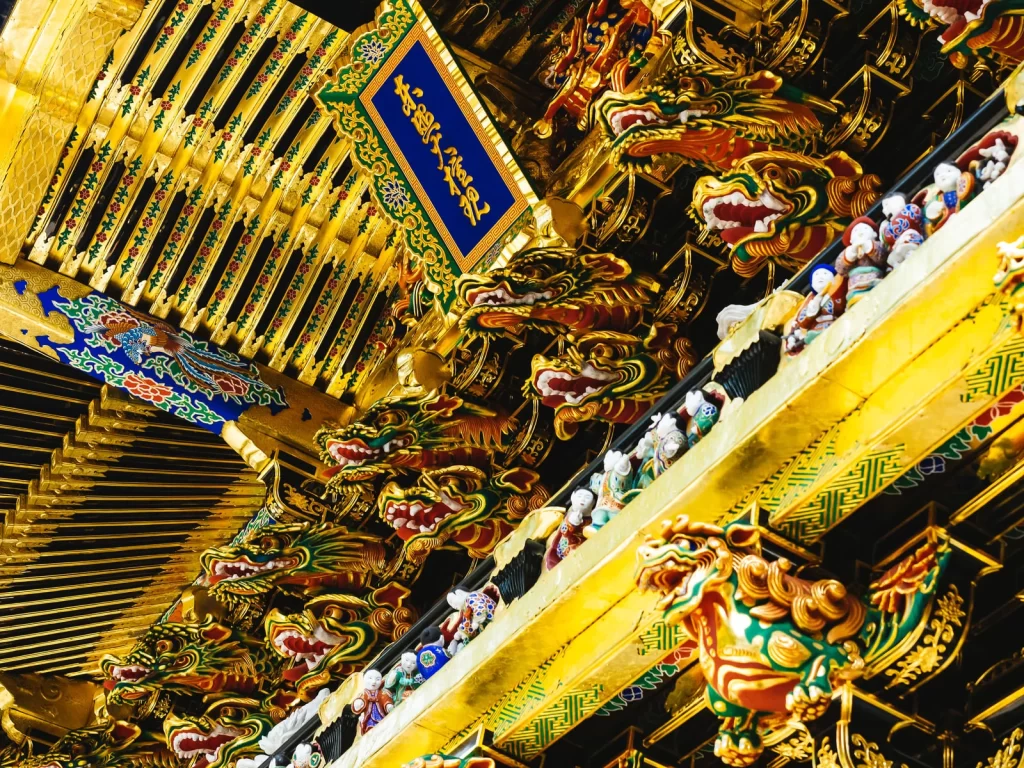
As the centerpiece of the UNESCO World Heritage Site “Shrines and Temples of Nikkō,” these two sacred locations offer a deep dive into Japan’s spiritual and political history. Tōshō-gū Shrine is dedicated to Tokugawa Ieyasu, the founder of the Tokugawa shogunate, and is renowned for its elaborate carvings and gold leaf decorations. Nearby, Futarasan Shrine honors the mountain deities of the Nikkō region and reflects ancient Shinto beliefs. Both shrines are surrounded by lush forests and connected by scenic walking paths. English-language pamphlets, guided tours, and multilingual signage are available.
Travel Tips for English Speakers
Use the Japan Official Travel App or Google Maps for navigation and multilingual support.
Many heritage sites offer volunteer English guides—check ahead or ask at the visitor center.
Consider purchasing a JR Pass or regional travel pass to save on transportation costs.